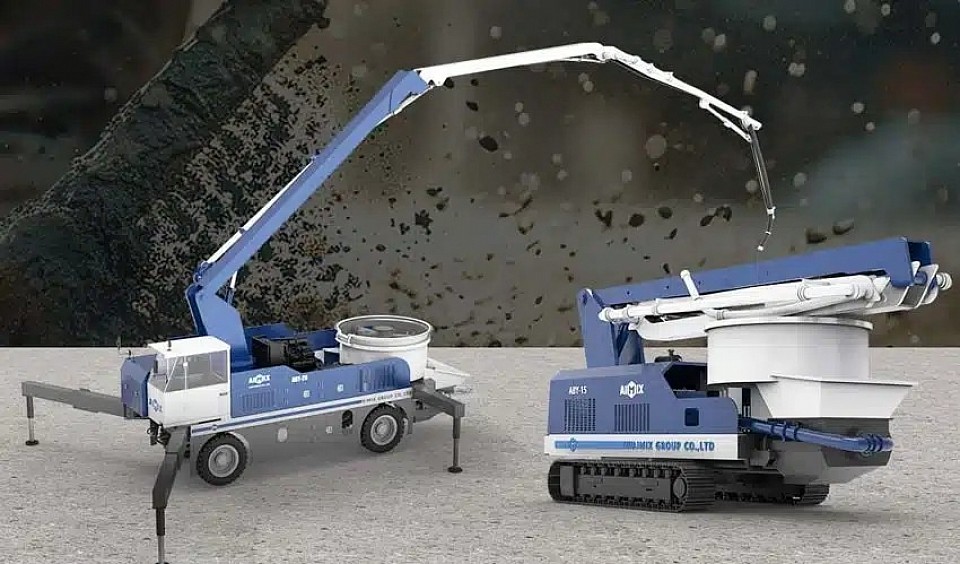
Kinds of Concrete Pump Blogs about Its Technology and Industry Trends
Small Investment Wins: Expert-Approved Strategies for Mini Concrete Pump Pros
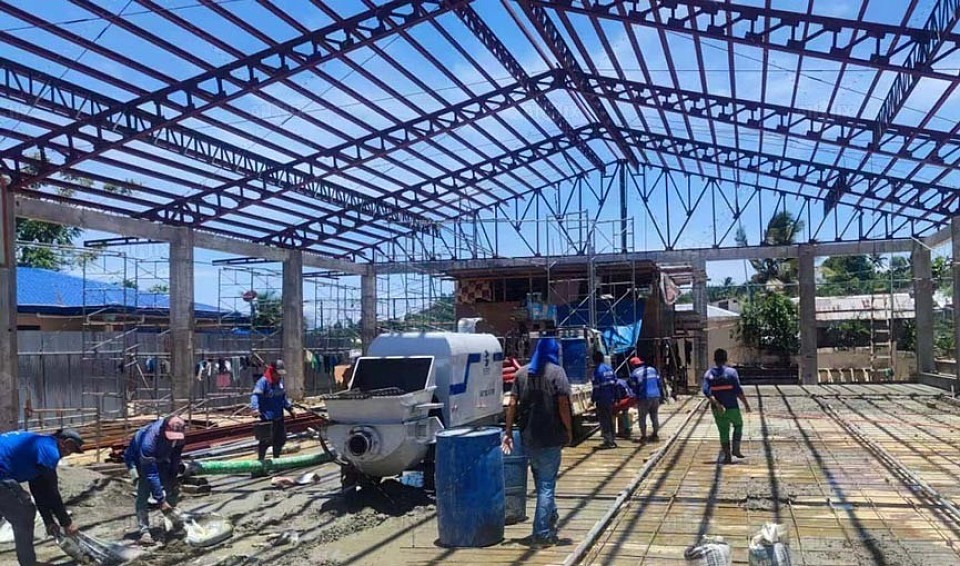
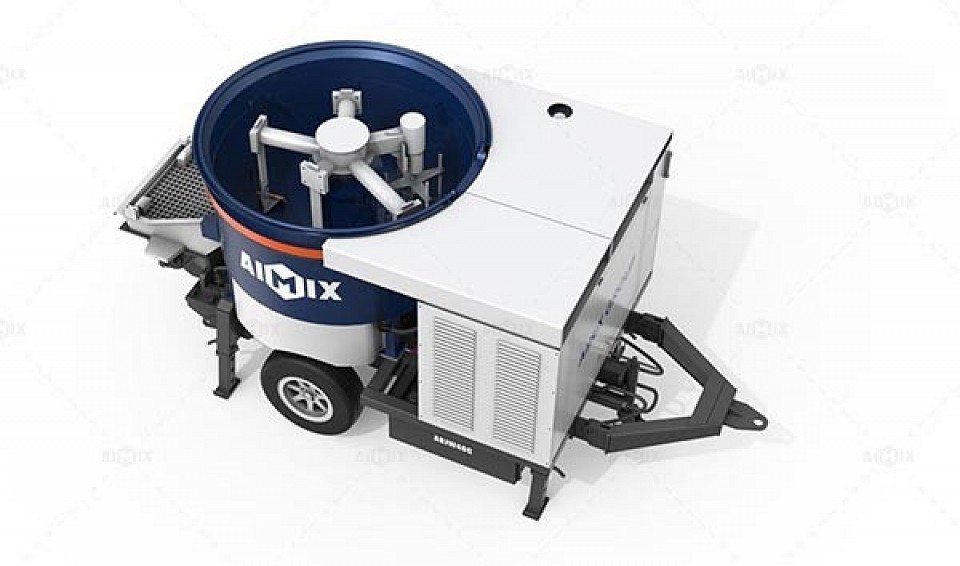
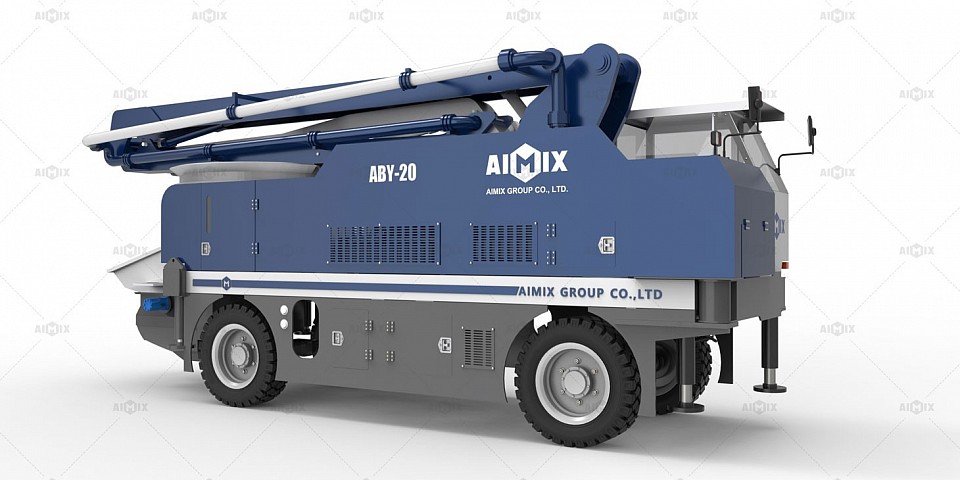
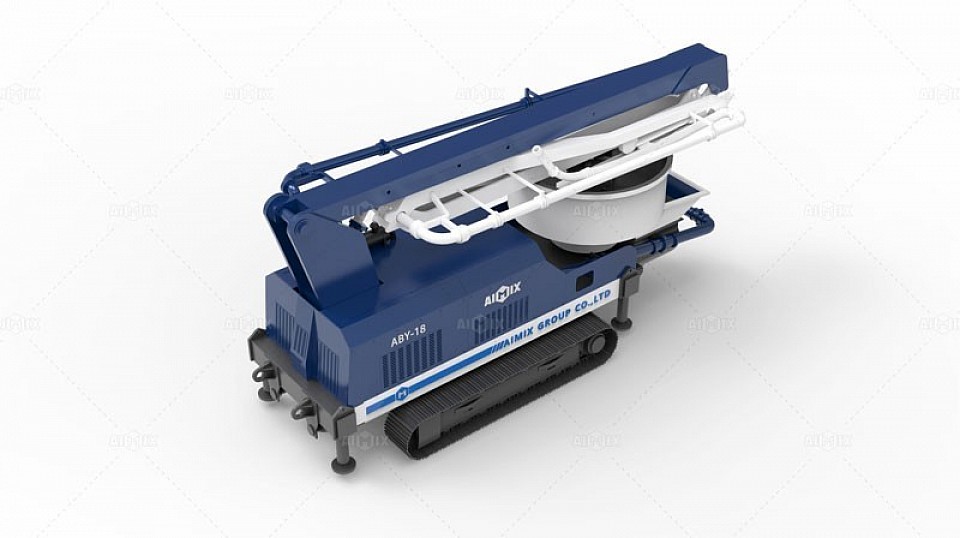
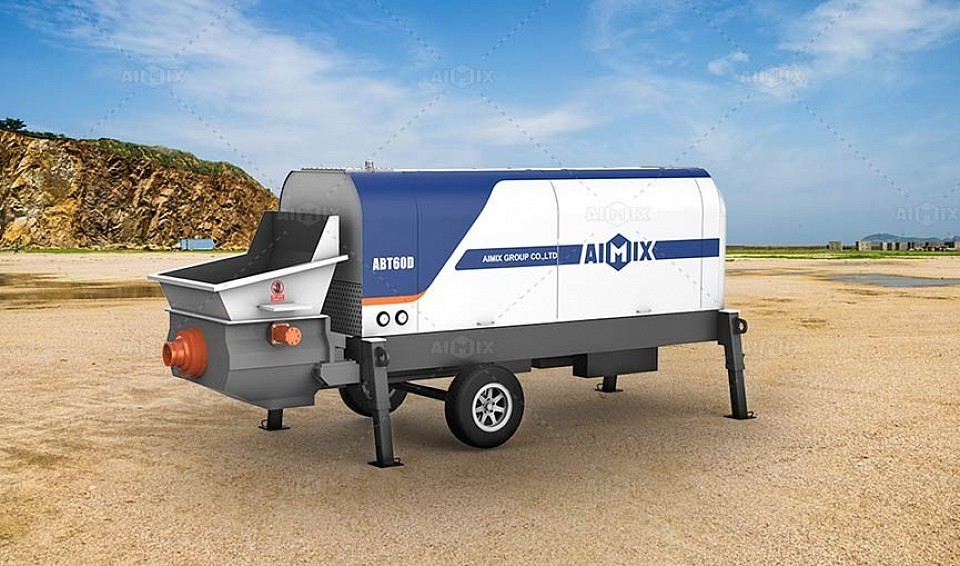
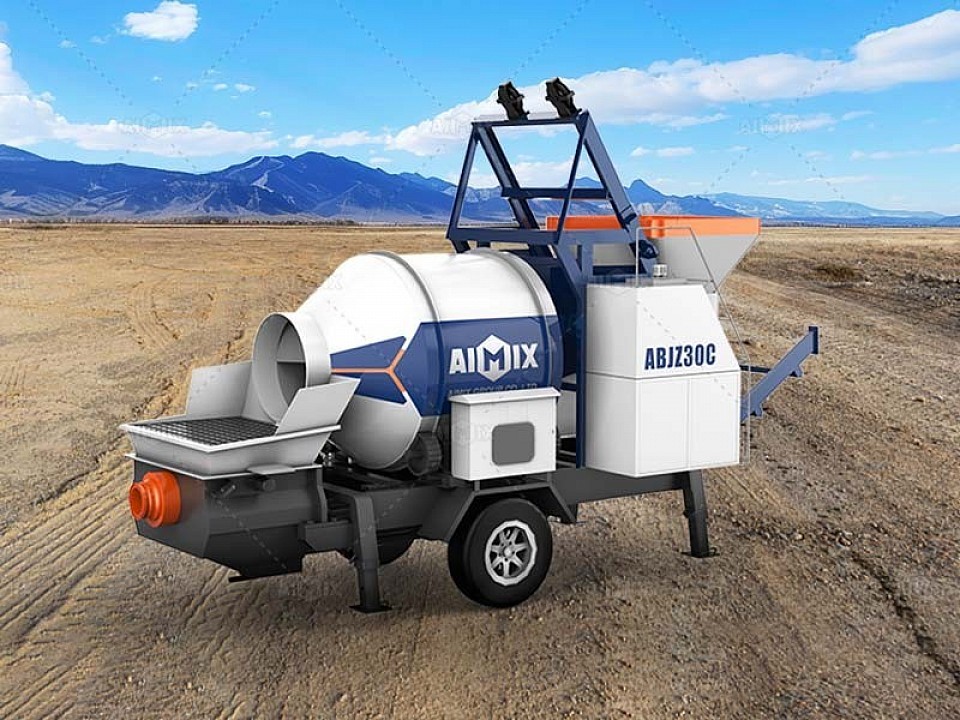
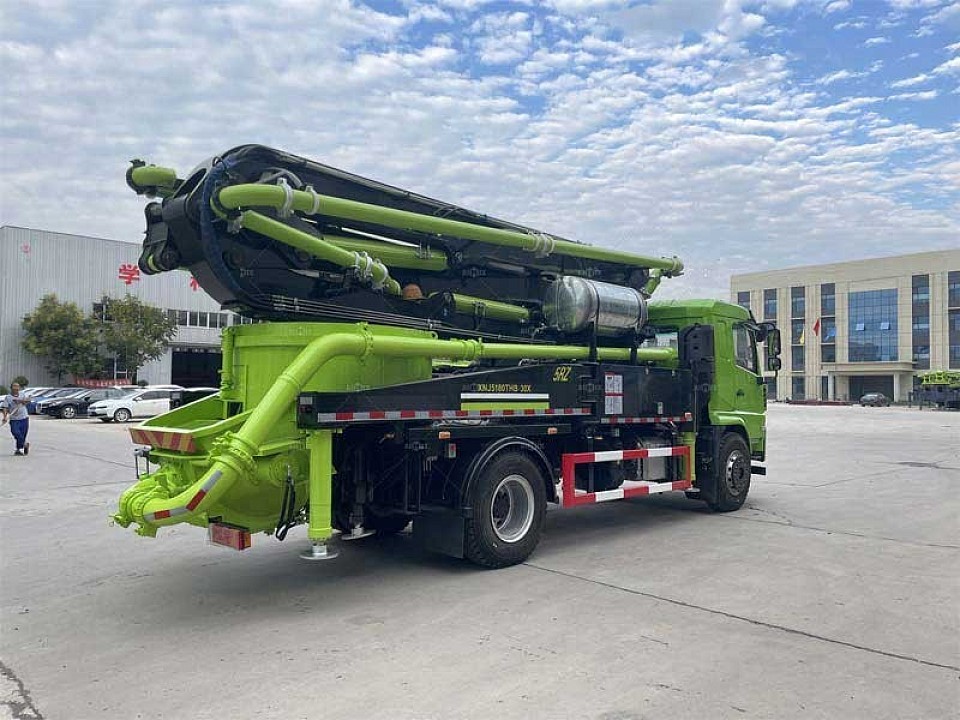
Mini concrete pumps have redefined the efficiency and cost-effectiveness of small- to medium-scale construction projects. These compact yet powerful machines provide an edge in maneuverability, precision, and reduced labor costs. However, making the most of these investments requires astute decision-making. Industry veterans employ strategic approaches to optimize returns while maintaining operational excellence. Understanding the nuances of these strategies can mean the difference between moderate and exponential growth. Below, we explore expert-backed tactics that ensure mini concrete pump for sale owners achieve sustainable profitability.
Optimizing Equipment Utilization for Maximum ROI
Choosing the Right Mini Concrete Pump Model
Selecting the ideal mini concrete pump is crucial. Factors such as pump output, pressure capabilities, and fuel efficiency should align with project demands. For instance, diesel-powered models offer enhanced endurance for remote sites, whereas electric variants excel in urban environments with stringent emissions regulations. Balancing performance with affordability ensures that the investment remains profitable in the long run.
Implementing a Strategic Maintenance Schedule
Preventive maintenance is the backbone of uninterrupted operations. Regular inspections of critical components—such as hydraulic systems, valves, and wear plates—mitigate unexpected failures. Utilizing high-quality lubricants and adhering to manufacturer guidelines significantly extends the concrete pump’s lifespan. A well-maintained machine not only reduces downtime but also enhances concrete output consistency.
Maximizing Revenue through Smart Business Strategies
Diversifying Service Offerings
Expanding beyond standard pumping services can unlock additional revenue streams. Offering specialized solutions such as high-rise pumping, shotcrete applications, or custom mix placement caters to niche markets. Establishing partnerships with construction firms ensures a steady influx of projects, minimizing periods of inactivity.
Enhancing Operator Efficiency
Investing in skilled operators enhances overall performance. Well-trained personnel ensure optimal pump operation, precise concrete placement, and minimal material wastage. Conducting periodic training sessions on troubleshooting and safety protocols boosts productivity. A proficient workforce directly contributes to customer satisfaction and repeat business.
Leveraging Market Trends for Long-Term Success
Adopting Eco-Friendly Solutions
Sustainability is becoming a cornerstone of modern construction. Integrating eco-friendly additives, utilizing energy-efficient pumping techniques, and adhering to green building certifications elevate a concrete pump manufacturer’s reputation. Clients increasingly prefer contractors who align with environmental standards, creating a competitive advantage.
Utilizing Digital Marketing for Customer Acquisition
Strong online visibility is a game-changer in today’s market. A well-optimized website, engaging social media presence, and targeted advertising campaigns drive customer inquiries. Showcasing project success stories, customer testimonials, and time-lapse videos of pumping operations enhances credibility. Digital strategies not only attract new clients but also reinforce trust among existing ones.
Powering Infrastructure: How Concrete Boom Pumps Support Bridge Projects in Oman
Oman's ambitious infrastructure development, particularly its expanding network of bridges and overpasses, relies heavily on the precision and efficiency of concrete boom pump for sale. These specialized machines have become indispensable for constructing the complex geometries and demanding structural elements that define modern Omani bridge projects. From the steep wadi crossings in Musandam to the expansive flyovers in Muscat, boom pumps deliver concrete exactly where needed, overcoming challenges of access, volume, and placement that traditional methods cannot address.
The unique conditions of Omani bridge construction—including extreme temperatures, remote locations, and intricate reinforcement designs—demand boom pumps with specific adaptations. High-temperature hydraulic systems, extended reach capabilities, and precise placement controls enable contractors to maintain construction schedules while meeting stringent quality requirements. These technological solutions are reshaping how Oman builds its vital transportation links.
Extended Reach for Challenging Locations
Oman's varied terrain requires boom pumps in Oman capable of spanning deep wadis or working around existing infrastructure. Modern pumps with 42-56 meter booms provide the necessary reach while maintaining stability on uneven ground. Their multi-articulated arms navigate around reinforcement cages with millimeter precision, essential for complex pier caps and abutments.
The country's extreme temperatures necessitate specialized cooling systems that maintain hydraulic performance even when ambient temperatures exceed 45°C. Some pumps now feature solar-reflective paint and insulated hydraulic lines that reduce heat absorption, preventing the viscosity breakdown that plagues standard equipment. These adaptations ensure continuous operation during critical pours that might last 12-18 hours.
Precision Placement for Demanding Structures
Bridge construction in Oman often involves heavily reinforced elements with tight clearances between rebar. Boom pumps equipped with robotic placement systems can programmatically navigate these obstacles, reducing honeycombing and improving structural integrity. The systems' memory functions store exact placement patterns for identical pier segments, ensuring consistency across multiple supports.
For post-tensioned box girder bridges, boom pumps deliver high-performance concrete to thin-walled sections without segregation. Advanced models feature pressure-compensated output that automatically adjusts to the formwork's resistance, preventing blowouts in delicate tendon ducts. This level of control proves invaluable for the precision required in Oman's signature cable-stayed bridges.
Logistical Advantages in Remote Projects
Boom pumps solve critical supply chain challenges on Oman's remote bridge projects. Their ability to place concrete directly from transit mixers eliminates the need for secondary handling concrete pumping equipment in constrained sites. This proves particularly valuable in mountainous regions where space for batch plants and conveying systems is limited.
The latest generation of pumps incorporates GPS-assisted setup that calculates optimal positioning for each bridge element pour. This technology, combined with their compact outrigger footprints, allows operation in areas where crane-assisted pouring would be impossible. Some contractors now use pump-mounted cameras and sensors to monitor concrete placement in real-time, ensuring quality control even when technical staff cannot access the point of placement.
Oman's bridge construction boom demonstrates how specialized equipment can transform infrastructure development timelines and quality standards. Concrete boom pumps have evolved from simple conveying devices to intelligent placement systems that actively contribute to structural performance. As Oman continues to expand its transportation networks, these machines will remain at the heart of projects that connect communities and drive economic growth—one precise cubic meter at a time. Their ability to combine power, precision, and adaptability makes them irreplaceable partners in building Oman's future.
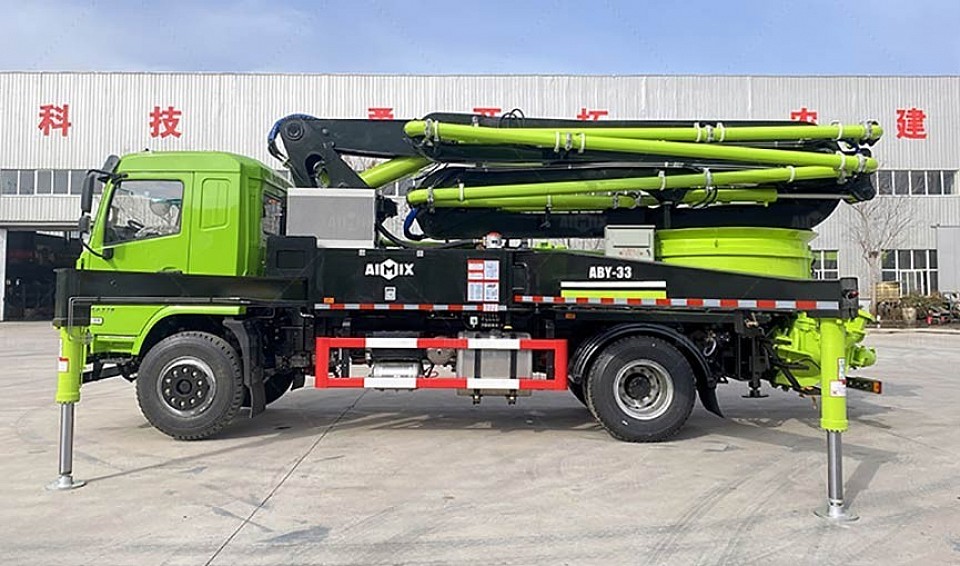
Underground Precision: Concrete Boom Pump with Mixer in Subway and Mining Tunnel Construction
Beneath the earth's surface, where conventional construction methods falter, the integration of concrete boom pumps with onboard mixers has revolutionized subterranean development. These self-contained behemoths navigate the labyrinthine passages of subway expansions and mining operations with unparalleled dexterity, delivering precisely formulated concrete to locations where traditional ready-mix trucks dare not venture. Their emergence represents a paradigm shift in underground construction—one that prioritizes continuous placement, material consistency, and spatial efficiency in environments where margins for error vanish exponentially with depth.
The constraints of underground work demand more than mere equipment adaptation; they require complete systemic reinvention. Limited headroom prohibits standard boom configurations, while ventilation restrictions mandate low-emission power plants. Perhaps most crucially, the rheological properties of concrete must remain stable during extended pumping through kilometer-long pipelines at varying inclines. Modern boom pump-mixer hybrids address these challenges through articulated Z-fold booms that telescope vertically rather than horizontally, lithium-ion battery packs that eliminate diesel fumes, and advanced admixture systems that maintain slump retention for 90+ minutes without segregation.
Engineering for the Depths: Specialized Configurations
Low-Profile Boom Geometry
Traditional horizontal boom pumps become subterranean liabilities when clearance shrinks below 3 meters. Next-generation systems employ:
Vertical stacking cylinders that reduce operational height by 40%
Bi-planar articulation allowing placement around support beams and ventilation ducts
Collapsible discharge gates that retract to 1.8m during transit
The Gotthard Base Tunnel project demonstrated this technology's prowess, placing 56,000m³ of shotcrete through 2.9m high access tunnels without a single boom collision.
Onboard Mixing Intelligence
Underground environments render conventional concrete delivery timelines obsolete. Integrated mixers combat this through:
Continuous batching systems that calibrate water content based on real-time moisture probes
Retarder injection ports at multiple pipeline intervals to reset setting clocks
Self-cleaning helical blades that prevent material buildup during downtime
Material Science Meets Mechanical Innovation
Tunnel-Optimized Concrete Formulations
The marriage between concrete pump and mixer enables precise rheology control for:
Self-compacting concrete that flows 18m horizontally without vibration
Accelerated mixes achieving 10MPa compressive strength in 4 hours for rapid advance rates
Corrosion-resistant blends with silica fume and crystalline additives for saltwater tunnels
London's Thames Tideway Tunnel utilized such formulations to place 6,500m³ beneath the riverbed without cold joints or permeability issues.
Pneumatic Placement Systems
When boom reach proves insufficient, auxiliary systems take over:
Pipeline pulsation dampeners that eliminate pressure spikes during remote pours
Robotic end hose manipulators for precise shotcrete application in mining stopes
Electro-hydraulic surge protectors preventing line blockages during emergency stops
Operational Protocols for Confined Spaces
Ventilation-Conscious Power Management
Diesel particulate matter becomes lethal in enclosed tunnels. Modern solutions include:
Battery-electric drive trains with 8-hour runtime between charges
Regenerative braking systems that recover 30% of boom motion energy
Photocatalytic air scrubbers mounted on discharge elbows
Collision Avoidance Technology
LiDAR mapping and ultrasonic sensors create 360° protection envelopes:
Auto-stop zones near temporary supports and electrical conduits
Haptic feedback joysticks that vibrate when approaching obstacles
Augmented reality displays projecting reinforcement shadows through dust clouds
The Chongqing Metro expansion reduced equipment-related delays by 72% after implementing such systems.
These technological symphonies transform what was once construction's most treacherous frontier into a domain of clockwork precision. As urban centers expand downward and mineral extraction pushes deeper, the mobile concrete pump-mixer hybrid stands as both sentinel and catalyst—ensuring every kilogram of concrete arrives exactly where needed, exactly when required, regardless of how many meters of rock lie overhead. The future of underground construction isn't merely about reaching new depths, but about mastering them with previously unimaginable finesse.
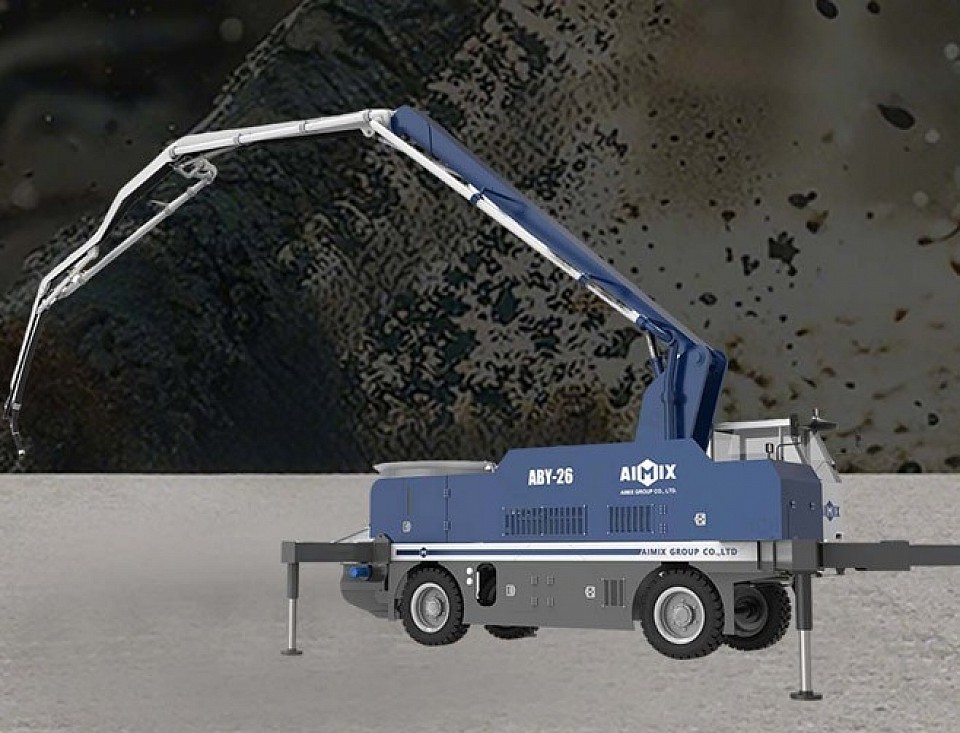
Navigating International Purchases: How to Buy a Small Concrete Pump Machine
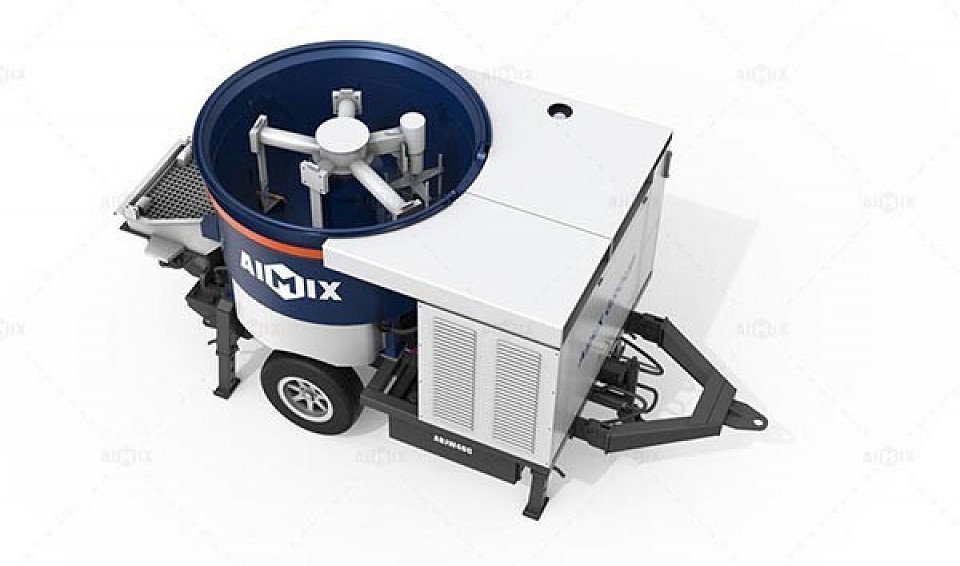
Purchasing equipment internationally can feel like navigating uncharted waters, particularly when acquiring specialized machinery like small concrete pumps. These versatile machines have become indispensable for construction projects worldwide, offering precise concrete placement capabilities that transform how we approach everything from residential foundations to intricate architectural features. The international marketplace presents both exceptional opportunities and unique challenges that require careful consideration and strategic planning to ensure a successful acquisition.
The journey from identifying the right equipment to having it operational on your job site involves numerous steps that extend beyond simply selecting a model and arranging payment. Understanding technical specifications, navigating import regulations, and establishing reliable support networks all play crucial roles in making an international purchase both economically advantageous and operationally sound. This process demands attention to detail but ultimately opens access to superior technology and pricing that might not be available in domestic markets.
Understanding Technical Specifications and Requirements
Before engaging with international suppliers, develop a comprehensive understanding of your specific project requirements and how they translate to pump specifications. Consider factors such as desired output capacity, maximum pressure requirements, and the types of concrete mixes you'll be pumping regularly. These technical parameters will guide your selection process and help you communicate effectively with potential suppliers across different regions and language barriers.
Pay particular attention to power source compatibility, as electrical standards vary significantly between countries. A mini concrete pump for sale designed for European voltage and frequency specifications might require substantial modification to operate efficiently in other regions. Similarly, consider environmental factors such as altitude capabilities, temperature operating ranges, and dust protection levels that might affect performance in your specific location.
Evaluating International Suppliers and Manufacturers
The digital marketplace has made identifying potential suppliers remarkably straightforward, but vetting these companies requires diligent research. Look for manufacturers with established export experience and verifiable customer references in your region. Third-party verification services and industry certifications can provide valuable insights into a company's manufacturing standards and business practices beyond what their marketing materials might suggest.
Pay close attention to communication quality during the inquiry process. Responsive, knowledgeable representatives who provide detailed technical information often indicate a professional organization that will support you throughout the purchase and beyond. Request virtual factory tours, detailed manufacturing process explanations, and evidence of quality control measures to assess their operational standards without visiting in person.
Managing Logistics and Customs Considerations
International shipping involves complex logistics that extend far beyond basic transportation costs. Develop a thorough understanding of import duties, value-added taxes, and any special certifications required for construction equipment in your country. These additional costs can significantly impact the total investment required, making some apparently attractive prices less advantageous upon closer examination.
Partner with experienced freight forwarders who specialize in heavy equipment transportation. They can navigate the complexities of customs clearance, arrange appropriate insurance coverage, and ensure proper handling throughout the shipping process. Consider commissioning pre-shipment inspections to verify equipment condition and completeness before departure, reducing the risk of surprises upon arrival.
The international purchase of a small concrete pump truck represents a significant but manageable undertaking when approached systematically. By thoroughly researching technical requirements, carefully vetting suppliers, and understanding the complete logistics chain, you can access global markets with confidence. This approach not only expands your equipment options but often delivers superior value and performance characteristics specifically suited to your operational needs. With proper planning and attention to detail, your international purchase can provide years of reliable service and contribute significantly to your project success.
Advanced Construction Gear: How Integrated Boom Pump and Planetary Mixer Place Speeds Cycle Times
The construction industry is witnessing a paradigm shift in concrete placement methodologies, where traditional sequential operations are being replaced by integrated systems that fundamentally redefine project timelines. The fusion of planetary mixer technology with concrete pump boom for sale capabilities represents not merely an equipment upgrade but a complete reimagining of concrete placement workflows. These integrated systems collapse multiple process steps into a seamless operation, eliminating the logistical gaps that traditionally plague concrete projects. The velocity gains aren't incremental—they're transformational, compressing hours into minutes while simultaneously enhancing quality control.
This technological convergence addresses the most persistent challenge in concrete construction: the race against time before initial set begins. By merging mixing and placement into a continuous operation, these systems maintain perfect control over concrete consistency from initial hydration to final placement. The implications extend beyond speed—this integration delivers unprecedented consistency in concrete quality while dramatically reducing labor requirements and equipment footprints on congested job sites.
The Synchronized Workflow Revolution
Integrated systems create a closed-loop process where mixed concrete transfers directly to the boom pump without intermediate handling. This eliminates the time lag between mixing completion and placement initiation—a period that typically allows concrete to begin stiffening and losing workability. The planetary mixer's intensive blending action ensures perfect homogeneity before material even enters the pumping system, preventing the segregation that often occurs during transfer between conventional equipment.
The synchronization between mixing and pumping rates represents the system's core intelligence. Advanced sensors monitor both mixer output and pump capacity, automatically adjusting production speed to maintain optimal flow without overloading either component. This dynamic balancing prevents the stop-start cycles that plague conventional setups, where concrete pumping machines frequently wait for fresh concrete or mixers produce material faster than it can be placed.
Quantifiable Time Compression Metrics
Project data reveals dramatic cycle time reductions across all project scales. For typical mid-rise construction, integrated systems demonstrate 40-60% faster floor cycle times compared to traditional concrete placement methods. The most significant gains occur in the critical path activities: what previously required separate mixing, transport, and placement phases now happens concurrently within a single operational envelope.
The time savings multiply through eliminated waiting periods. No more truck arrival coordination, no batch plant communication delays, no waiting for pump readiness. The system operates as a self-contained concrete production and placement facility that maintains continuous output for hours without interruption. This reliability allows project managers to schedule placements with unprecedented precision, knowing that production rates will remain consistent throughout the operation.
Operational Efficiency and Quality Synergy
The integrated system's closed-loop environment provides unparalleled quality control. Concrete placement occurs at optimal consistency—never too dry from waiting nor too wet from over-watering to maintain workability. This consistency translates directly to improved compressive strength results and reduced testing variability. The planetary mixer's vigorous blending action ensures complete incorporation of admixtures at precise moments in the mixing cycle, maximizing their effectiveness.
Labor efficiency reaches new heights with these systems. A single operator can manage both mixing and pumping functions through an integrated control system, compared to the multiple crew members required for traditional concrete placement. This consolidation reduces communication errors while providing comprehensive system oversight from a single station. The reduced equipment footprint further enhances site safety and accessibility, particularly valuable in urban construction environments with severe space constraints.
The integration of planetary mixers with small concrete pump truck represents more than equipment innovation—it's a fundamental reengineering of concrete construction methodology. These systems don't just accelerate individual tasks; they redefine project sequencing and resource allocation. As construction timelines compress and quality expectations escalate, this technology provides the operational velocity and consistency needed to meet modern project demands. The future of concrete construction isn't just faster—it's smarter, more integrated, and fundamentally more efficient.
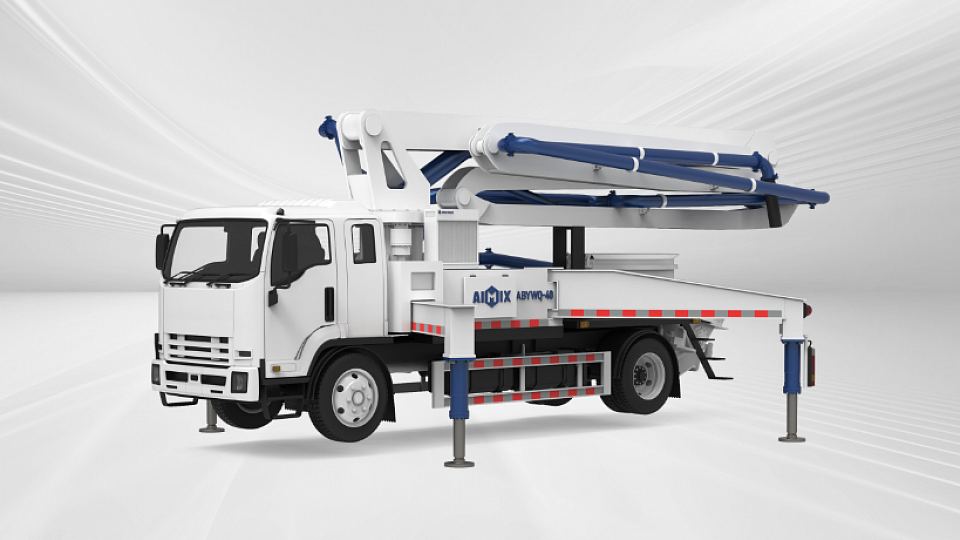
How the Length of a Concrete Pump Truck Boom Affects Conveying Height
When it comes to concrete pump trucks, one of the most crucial factors that determine its efficiency and versatility is the length of its boom. The boom, in simple terms, is the extendable arm that carries the concrete from the truck to the desired location. Its length directly correlates to the conveying height, which is the maximum vertical distance the concrete can be pumped.
Understanding Boom Length and Conveying Height
The longer the boom, the higher the concrete can be pumped. This is a straightforward concept but has profound implications in the construction industry. A longer boom means greater reach, allowing concrete to be placed in areas that would otherwise be inaccessible or require additional equipment and labor.
Moreover, the boom's length also affects the mini concrete pump truck's overall performance. A longer boom typically requires a more powerful pump to efficiently push the concrete through the extended length. This ensures a smooth and continuous flow of concrete, essential for maintaining the integrity and quality of the material.
The Advantages of a Longer Boom
Having a longer boom on a concrete pump truck offers several advantages. Firstly, it increases the truck's versatility, allowing it to handle a wider range of construction projects. Whether it's a high-rise building or a deep foundation, a longer boom can adapt to the specific needs of the job site.
Secondly, a longer boom can help reduce overall construction costs. By eliminating the need for additional equipment or labor to reach certain heights, the longer boom of concrete pump truck for sale streamlines the process and saves time and money.
Lastly, a longer boom enhances safety on the job site. It reduces the need for workers to climb scaffolding or use other potentially hazardous methods to reach high areas. The concrete can be safely and efficiently placed from ground level, minimizing the risk of accidents.
Choosing the Right Boom Length for Your Needs
When selecting a concrete pump truck for your project, it's essential to consider the specific requirements of the job. Determine the maximum conveying height needed and choose a truck with a boom length that can accommodate those needs.
Remember, while a longer boom offers greater versatility and reach, it also comes with additional costs and maintenance considerations. Strike a balance between the truck's capabilities and your project's budget and requirements.
In conclusion, the length of the boom concrete pump for sale is a critical factor that determines the conveying height and, consequently, the efficiency and versatility of the truck. By understanding the relationship between boom length and conveying height, and choosing the right truck for your needs, you can ensure a smooth and successful construction project.